Early Warning Signs You Need a Professional Mold Inspection
February 22, 2026

Mold is a pervasive issue that can silently compromise the safety, health, and overall structural integrity of a home or commercial property. Often thriving in damp, hidden, or poorly ventilated areas, mold growth can begin long before it becomes visibly apparent, making early detection particularly challenging. Left unchecked, it can damage building materials, reduce indoor air quality, and pose serious health risks to occupants, including respiratory issues, allergies, and even chronic illnesses. Beyond health concerns, mold can also lower property value, create unpleasant odors, and lead to costly repair work if allowed to spread. Recognizing the early signs of mold is crucial for property owners and facility managers to prevent extensive damage and expensive remediation efforts. Proactive detection and intervention can save both time and money while protecting the well-being of residents or employees and ensuring regulatory compliance in commercial settings.
While minor mold patches may seem inconsequential, they are often indicators of deeper moisture problems that require professional assessment. A
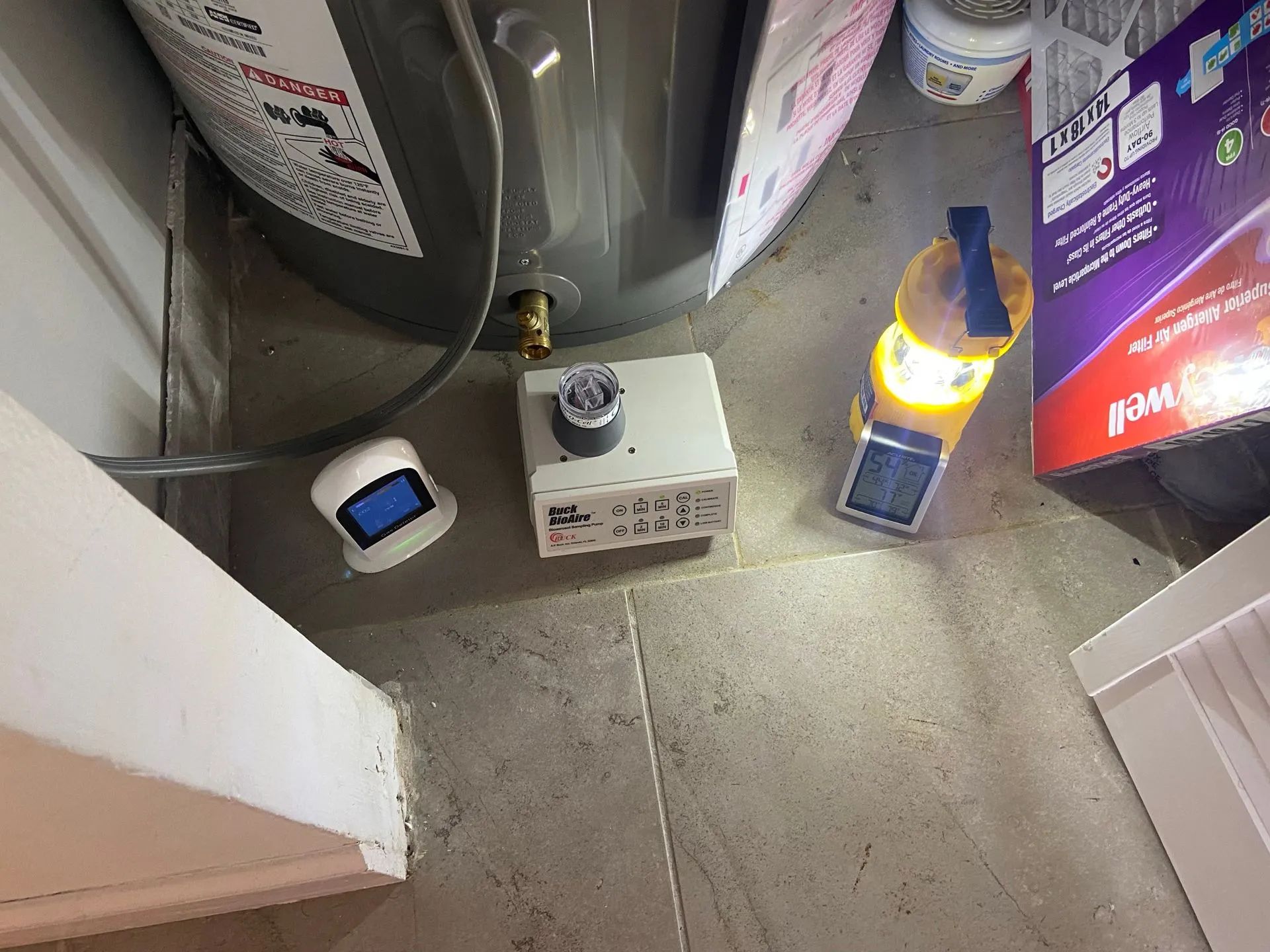
professional mold inspection goes beyond surface-level evaluation, identifying hidden infestations, assessing risk factors, and recommending effective remediation strategies tailored to each property. Such inspections often include air quality testing, moisture mapping, and checking areas prone to water intrusion, such as basements, attics, or HVAC systems. Understanding these early warning signs allows property owners to take immediate action, reducing long-term consequences, preventing recurring infestations, and safeguarding both human health and property integrity. Early intervention not only limits structural damage but also helps maintain a safe and comfortable living or working environment for all occupants.
1. Visible Mold Growth and Discoloration
Surface Mold Identification
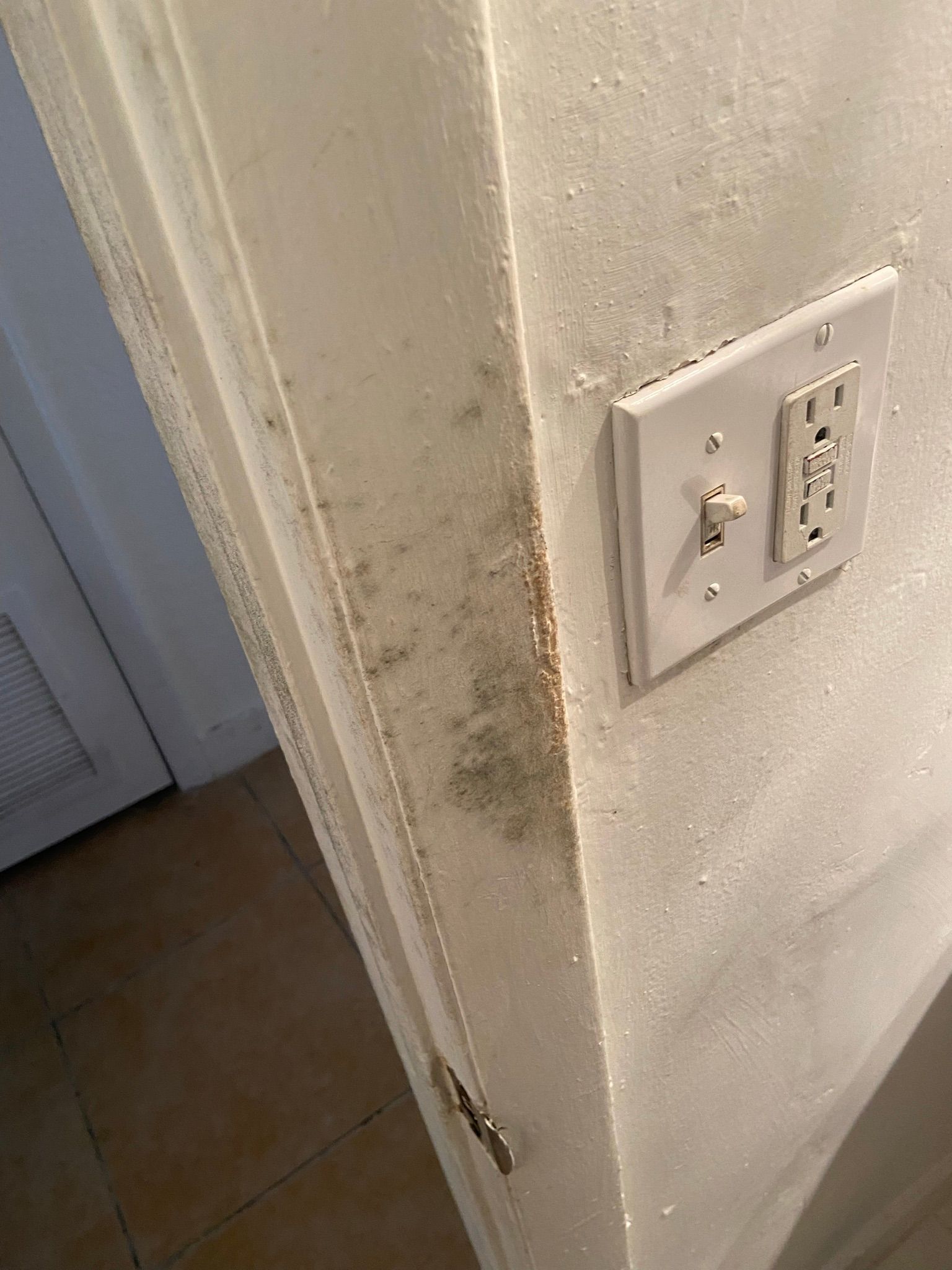
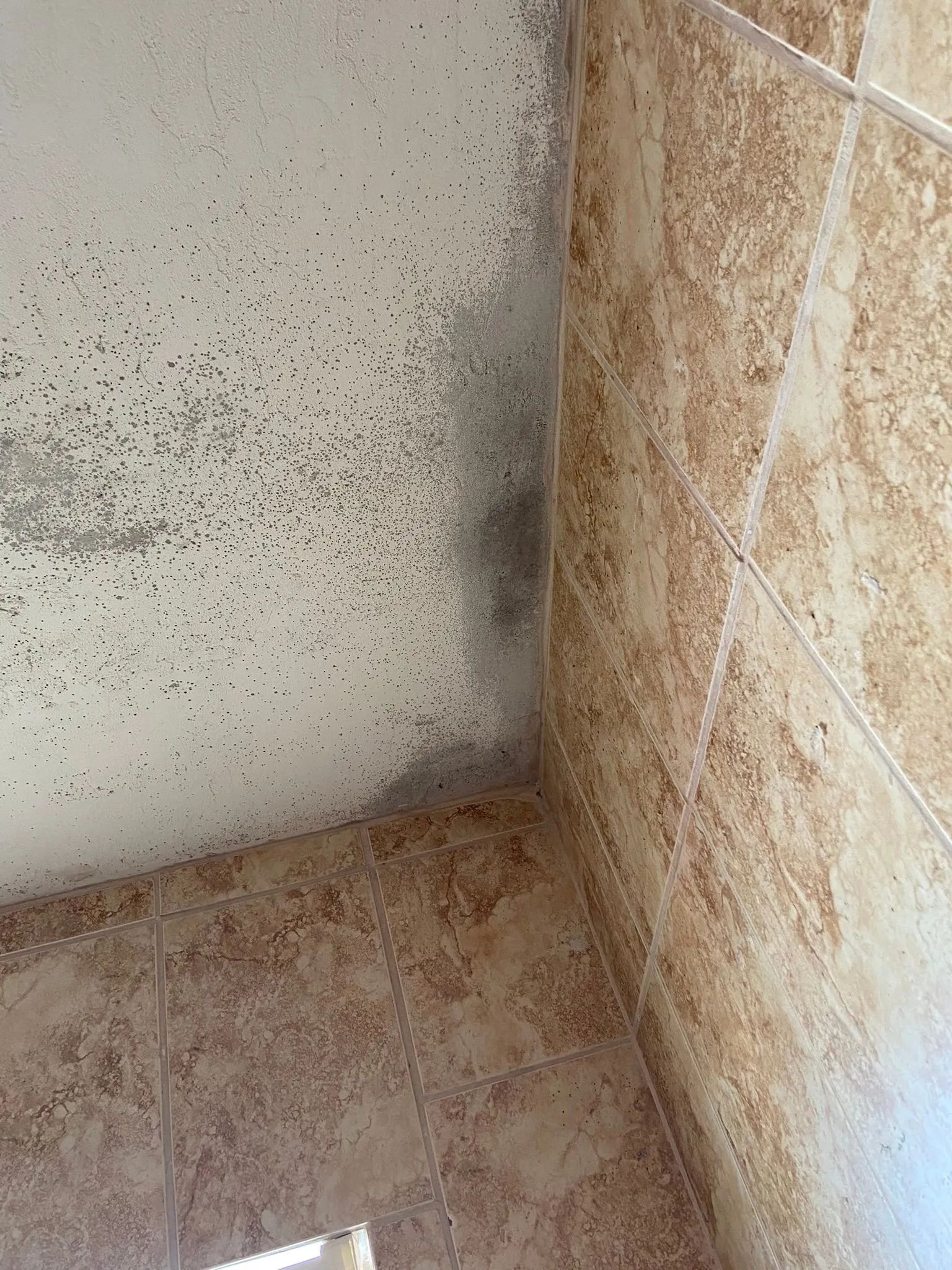
One of the most obvious warning signs of a mold problem is visible growth on surfaces. Mold often appears as black, green, brown, or white spots on walls, ceilings, floors, or around windows. However, not all mold is easily noticeable or located in obvious areas. It can hide behind cabinets, inside walls, under carpets, beneath wallpaper, or around poorly sealed windows, making early detection particularly challenging. Property owners should regularly inspect areas prone to moisture, such as bathrooms, kitchens, basements, and laundry rooms, for any unusual spots, streaks, or fuzzy textures that could indicate the beginning of a serious mold issue.
Common Areas of Concern
- Bathrooms and Kitchens: Frequent water usage, condensation, and occasional leaks significantly increase the likelihood of mold growth developing over time.
- Basements and Crawl Spaces: Poor ventilation, dampness, and high humidity make these areas highly conducive to hidden mold infestations.
- Around Windows and Doors: Condensation and inadequate sealing on windows and doors can create hidden moisture pockets that often foster mold growth unseen.
Real-World Scenario
Consider a homeowner noticing small black specks near a bathroom tile seam. While it may appear minor at first glance, a professional inspection could reveal that the mold has spread behind the tiles and into the drywall, potentially affecting the structural integrity. Early professional detection not only prevents structural damage but also reduces the risk of costly repairs and extensive remediation later.
2. Persistent Musty Odors
How Smells Indicate Mold
A musty or earthy smell, even when mold is not visible, can be a strong indicator of hidden mold growth. Mold releases microbial volatile organic compounds (MVOCs), which are responsible for these characteristic odors. Unlike typical household smells, mold odors are persistent, may intensify in damp or confined spaces, and often return even after cleaning. Detecting these odors early can help prevent mold from spreading further within hidden areas of a property.
Locations Often Affected
- Attics: Poor ventilation, roof leaks, and insulation issues can lead to concealed mold growth.
- Basements: High humidity and dampness often create lingering musty scents, signaling potential mold issues.
- Air Ducts and HVAC Systems: Mold can develop in ventilation systems, spreading spores throughout an entire building if not addressed promptly.
Benefits of Early Detection
Noticing persistent odors early allows property owners to schedule professional inspections before mold spreads extensively, affecting air quality and structural components. Detecting hidden mold in air ducts, for instance, prevents the entire home or office from being exposed to spores, improving indoor air quality, reducing health risks, and avoiding larger remediation costs.
3. Water Damage and Moisture Issues
Signs of Excess Moisture
Expert Insight
Even small, slow leaks behind walls, under sinks, or beneath appliances can go unnoticed for months, providing mold with the perfect environment to spread. Professional inspectors use moisture meters, infrared cameras, and other advanced tools to detect hidden moisture pockets, identifying areas at high risk of mold development. Early intervention helps prevent mold from establishing itself in structural cavities, saving property owners significant costs, time, and stress in the long run.
Real-Life Example
A restaurant owner notices water stains behind a kitchen refrigerator. A professional mold inspection uncovers a slow leak that has allowed mold to grow in the wall cavity, which could have led to health code violations. Timely remediation prevents further property damage, protects patrons’ safety, and avoids costly renovations that would have been necessary if the problem continued unnoticed.
4. Health Symptoms Linked to Mold Exposure
Common Mold-Related Health Issues
Mold can affect both the respiratory and immune systems, often producing symptoms that are mistakenly attributed to seasonal allergies or common illnesses. Warning signs that may indicate mold presence include:
- Persistent coughing, sneezing, or throat irritation
- Nasal congestion, sinus infections, or frequent headaches
- Eye irritation, watery eyes, or redness
- Skin rashes, irritation, or eczema flare-ups
- Asthma attacks, difficulty breathing, or chronic respiratory issues
Vulnerable Populations
Children, elderly individuals, and those with compromised immune systems are particularly sensitive to mold exposure. Even healthy adults may experience recurring symptoms without obvious external mold signs, often unaware that their indoor environment is contributing to health problems.
Actionable Insight
Experiencing these symptoms, particularly when they worsen indoors and improve outdoors, should trigger a professional mold inspection. Identifying mold as the underlying source allows for proper remediation, effectively improving indoor air quality, reducing health risks, and ensuring a healthier living or working environment for all occupants.
5. Structural Damage and Property Deterioration
How Mold Affects Building Integrity
Mold can weaken wood, drywall, and other building materials, potentially causing structural damage if left untreated. Early warning signs include:
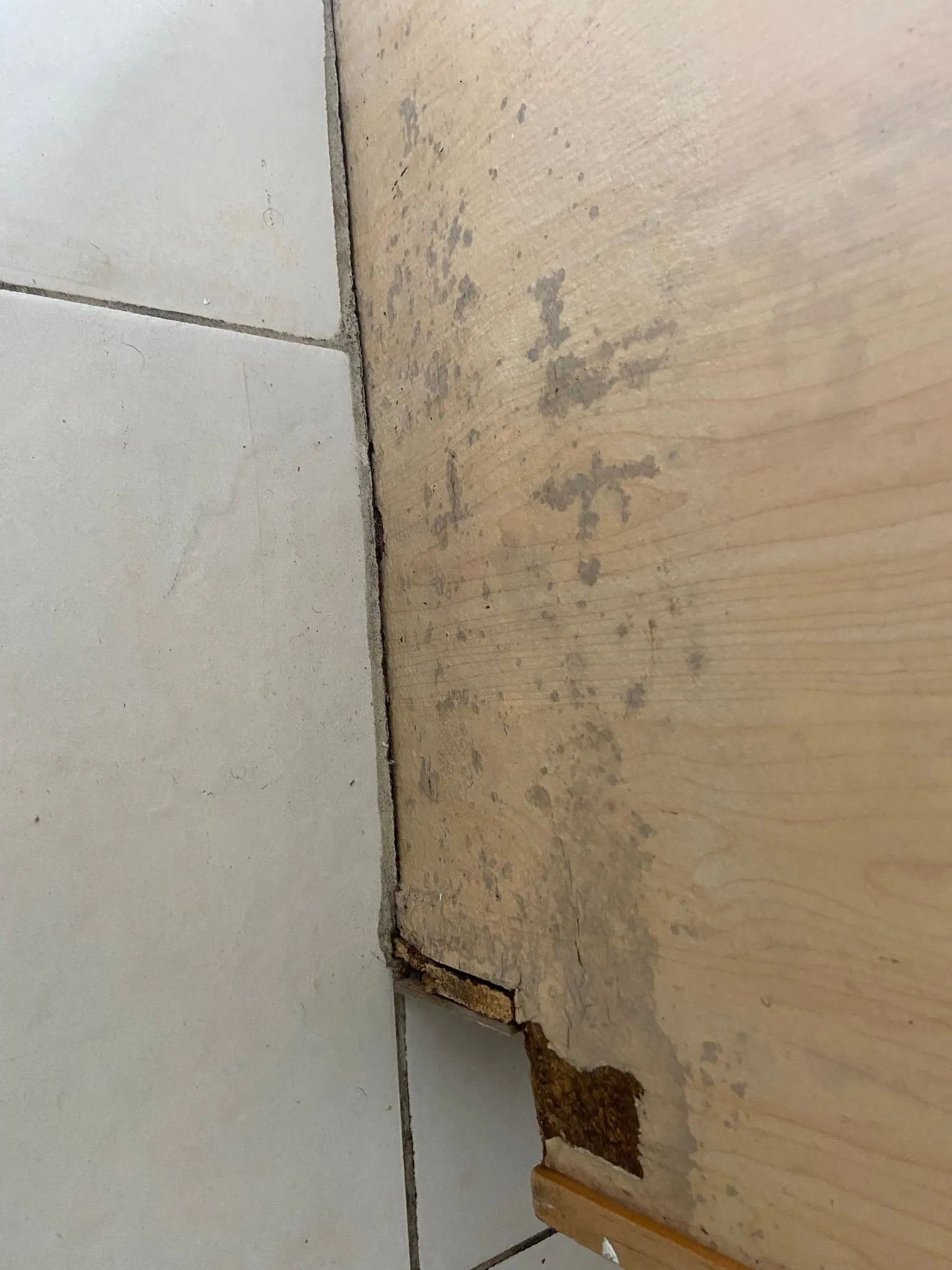
- Crumbling, soft, or warped walls
- Warped, sagging, or discolored floors or ceilings
- Rust on metal surfaces or fixtures
- Bubbling, blistering, or peeling paint
Long-Term Risks
Ignoring early mold signs can compromise a property’s structural integrity, resulting in more extensive and expensive repairs. For commercial properties, unaddressed mold issues can also lead to business interruptions, safety hazards for occupants, and potential liability concerns.
Case Study
A homeowner notices slight warping on hardwood flooring in a hallway. A professional mold inspection discovers that a hidden leak has allowed mold to grow beneath the floorboards, affecting the subfloor structure. Timely remediation prevents the flooring from requiring complete replacement, saves thousands of dollars, and restores both the appearance and safety of the home.
6. Unexplained Allergies or Illness Outbreaks in Buildings
Recognizing Patterns of Illness
In commercial buildings or multi-family dwellings, unexplained increases in allergies, respiratory illnesses, or persistent fatigue among occupants can indicate a serious hidden mold problem. These unusual health patterns often appear without an obvious environmental trigger, signaling that unseen mold may be circulating dangerous airborne spores throughout the property consistently.
Recommended Approach
Professional mold inspectors conduct thorough and comprehensive air quality testing to accurately identify the type, concentration, and potential spread of mold present in the building environment. This detailed assessment allows property owners to implement targeted and effective remediation measures quickly, reducing the risk of further serious health complications and long-term exposure for occupants.
Practical Example
In an office environment, several employees report persistent headaches, congestion, and mild respiratory irritation without clear cause. Mold inspection identifies hidden growth within HVAC systems and building materials, which is then professionally and safely remediated. Corrective action restores indoor air quality effectively and prevents future illness outbreaks among all building occupants reliably.
Reliable Professionals Safeguarding Homes from Hidden Mold
Recognizing the early warning signs of mold is essential for maintaining a safe, healthy, and structurally sound property. Visible mold, persistent odors, moisture problems, health symptoms, and structural deterioration all signal the need for a professional assessment. Ignoring these indicators can lead to escalating damage, expensive repairs, and serious health risks for occupants. By understanding these signs, property owners can act proactively, mitigating mold growth before it becomes a significant threat.
For property owners in Lehigh Acres, Florida, United Mold Services
offers expert sanitary inspection services backed by over 8
years of experience. Our team specializes in identifying hidden mold, assessing moisture issues, and recommending effective remediation strategies tailored to each property’s unique needs. With a commitment to thorough inspections, reliable results, and customer-centered solutions, United Mold Services
ensures both the safety and value of your property. Trust our experienced professionals to detect mold early, protect your health, and preserve your property’s integrity with precision and expertise.