The Science Behind Mold & Moisture Testing: What Your Results Really Mean

January 24, 2026

Mold and moisture testing has become an essential aspect of maintaining healthy indoor environments. With rising awareness of the health risks associated with mold exposure, homeowners and commercial property managers increasingly rely on professional testing to identify and mitigate potential hazards. Mold growth often begins in hidden areas such as behind walls, under floors, or within HVAC systems, making it difficult to detect without scientific evaluation. Moisture testing, in particular, plays a crucial role, as excessive moisture is the primary catalyst for mold proliferation. Understanding the correlation between moisture levels and mold presence allows for more targeted remediation, ensuring that interventions address the root cause rather than just the visible symptoms. In addition, early detection through systematic testing can prevent costly long-term repairs and reduce liability risks in commercial settings. For property owners, this proactive approach not only safeguards health but also preserves the structural integrity and aesthetic value of their investment.


The significance of testing extends beyond health concerns. Mold can compromise structural integrity, damage personal property, and even affect property value. Accurate testing provides clear, actionable data that informs remediation strategies and prevents recurring problems. Professionals use advanced tools and methodologies to gather samples, measure environmental conditions, and interpret results, giving property owners confidence in the corrective actions they undertake. By combining scientific precision with practical experience, mold and moisture testing helps identify subtle issues that often go unnoticed, such as hidden leaks or minor humidity fluctuations that can escalate over time. Ultimately, this process empowers homeowners and facility managers to make informed decisions, maintain compliance with safety standards, and foster a healthier indoor environment for occupants.

The Fundamentals of Mold Growth

  • What Causes Mold to Thrive

    Mold is a microscopic fungus that thrives in damp, humid, or water-damaged environments. Key factors influencing mold growth include temperature, moisture, and nutrient availability. Indoor areas with poor ventilation, leaky roofs, plumbing issues, or condensation-prone surfaces provide ideal breeding grounds. Mold spores are naturally present in the air, but they only multiply when they encounter favorable conditions.

  • Types of Mold Commonly Found Indoors

    There are hundreds of mold species, but several are more commonly encountered indoors, including Stachybotrys chartarum (black mold), Aspergillus, and Penicillium. Each species has unique growth patterns and health implications. While some molds mainly cause aesthetic damage, others release mycotoxins that can trigger respiratory issues, allergic reactions, or long-term health problems. Identifying the type of mold is a critical step in developing an effective remediation strategy.

  • Real-World Example

    Consider a commercial office where employees reported musty odors and intermittent allergic symptoms. Moisture testing revealed high humidity behind wall panels, while mold sampling identified Aspergillus spores. This data allowed professionals to remediate both the moisture source and the mold, preventing further structural damage and protecting occupant health.

Moisture Testing – The Key to Accurate Diagnosis

Why Moisture Matters

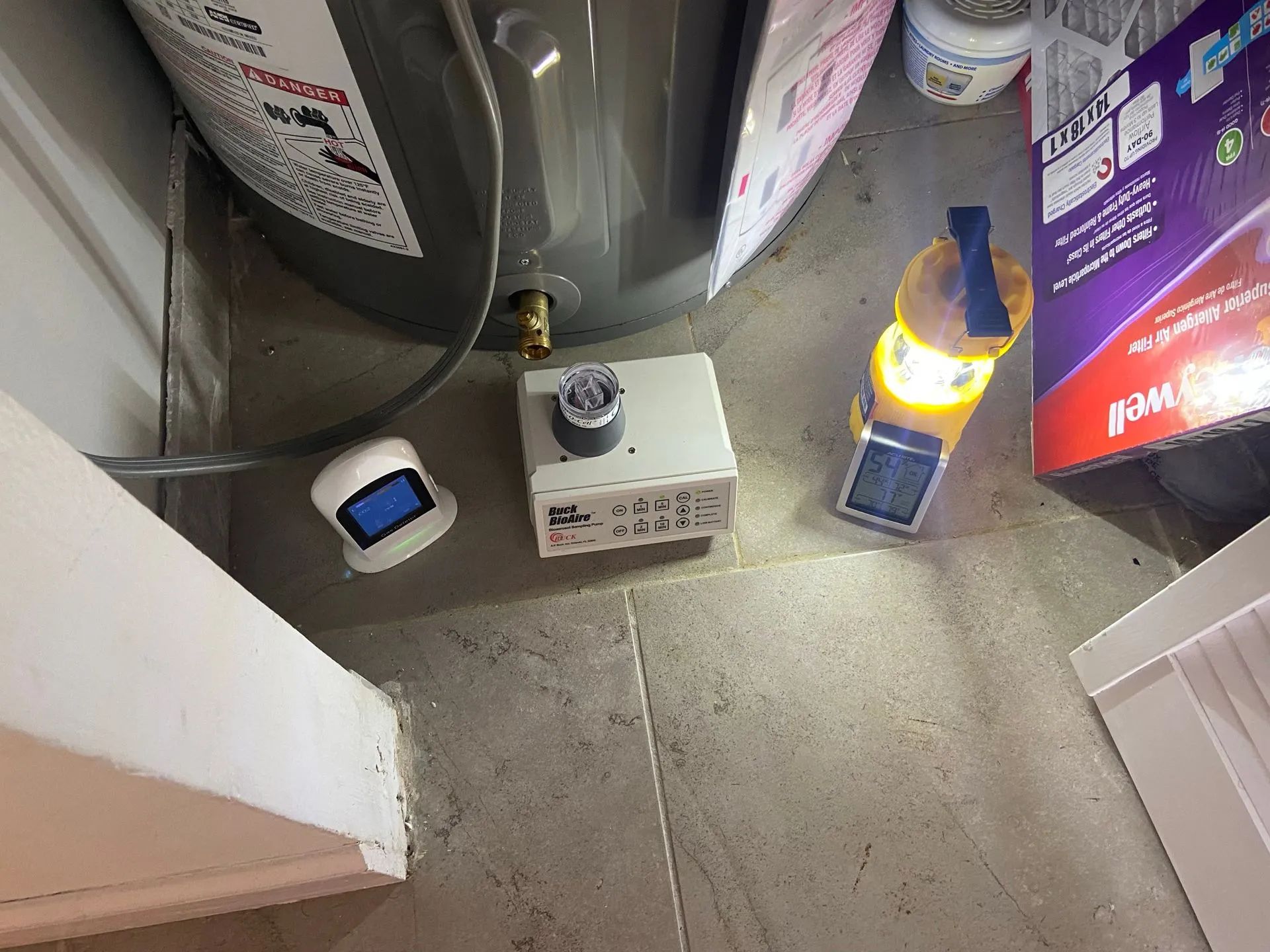
Moisture testing forms the cornerstone of effective mold prevention and remediation. Mold growth is almost always tied to elevated moisture levels, whether from leaks, condensation, or high ambient humidity. Moisture measurement tools, such as hygrometers, moisture meters, and infrared cameras, help identify hidden water problems that are not immediately visible.

Methods of Moisture Detection

  1. Moisture Meters: Pin and pinless meters detect water content in wood, drywall, and other materials.
  2. Infrared Thermography: Thermal imaging highlights temperature differentials indicative of moisture accumulation.
  3. Hygrometers: These devices monitor ambient humidity levels to ensure they remain below mold-friendly thresholds.

Best Practices

Accurate moisture testing requires systematic evaluation of both visible and concealed areas. Professionals often combine multiple methods to ensure reliability, particularly in complex structures with hidden cavities or insulation. Detecting moisture early prevents extensive damage and reduces the cost and complexity of mold remediation.

Understanding Mold Testing Results

Interpreting Results

Results often include spore counts, species identification, and moisture correlations. High spore counts do not always indicate a health risk; context matters. For instance, some molds are naturally airborne, while elevated indoor levels suggest growth within the property. Understanding the relationship between spore concentration and moisture presence is crucial for accurate diagnosis and effective remediation planning.

Challenges in Interpretation

Mold testing results can sometimes be misinterpreted without professional expertise. False positives may occur if outdoor spores infiltrate samples, while false negatives can arise if testing misses hidden mold colonies. Experienced technicians integrate visual inspections, moisture readings, and multiple sampling methods to provide a complete, reliable assessment.

Linking Moisture Data to Mold Risk

  • How Moisture Levels Predict Mold Growth

    Moisture readings provide predictive insights into potential mold growth areas. For instance, wood moisture content above 20% creates a favorable environment for most indoor molds. HVAC systems, basements, and crawl spaces often show elevated moisture levels that correlate strongly with observed mold contamination.

  • Real-World Scenario

    In a residential property experiencing recurring mold in the bathroom, moisture meters identified a persistent high reading behind tiles due to poor ventilation. Remediation involved addressing both the moisture source through vent upgrades and targeted mold removal. The integrated approach ensured long-term prevention, rather than temporary surface cleaning.

  • Benefits of Moisture-Based Assessments

    • Prevention-Oriented: Identifying moisture before mold appears minimizes damage.

    • Cost-Effective: Early detection reduces expensive remediation and repair costs.

    • Data-Driven Decisions: Accurate readings inform material replacement, ventilation improvements, and dehumidification strategies.

Best Practices for Accurate Mold & Moisture Testing

Comprehensive Inspection Approach

Effective mold testing begins with a thorough visual inspection. Technicians examine walls, ceilings, flooring, plumbing, and HVAC systems for signs of water damage, discoloration, or musty odors. Combining these observations with scientific testing ensures reliable results.

Sampling Techniques

  • Strategic Placement: Samples should be collected from multiple areas, including suspected problem zones and control areas, to differentiate indoor growth from outdoor spore infiltration.
  • Laboratory Analysis: Advanced laboratory methods, such as culture analysis or DNA-based testing, provide species-level identification and concentration metrics.

Integrating Moisture and Mold Data

Combining moisture readings with mold testing results produces a comprehensive risk profile. For example, elevated indoor humidity coupled with high spore counts indicates active growth, whereas high spores without moisture issues may reflect transient airborne contamination. This integration guides targeted remediation strategies and ensures long-term indoor air quality improvement.

Challenges and Limitations

  • Environmental Variability: Seasonal humidity fluctuations can affect readings.
  • Hidden Contamination: Mold in wall cavities or behind insulation may escape initial detection.
  • Expert Interpretation Needed: Professionals interpret data within the context of building materials, ventilation patterns, and historical water events to avoid unnecessary interventions.

Actionable Insights from Testing Results

  • Translating Results into Action

    Once testing is complete, results must inform practical steps:


    • Remediation Planning: Identify areas requiring mold removal, material replacement, or surface cleaning.

    • Moisture Mitigation: Address leaks, improve drainage, and enhance ventilation to prevent recurrence.

    • Monitoring: Implement ongoing moisture and mold monitoring for high-risk areas.
  • Benefits for Homeowners and Property Managers

    • Health Protection: Reduces exposure to allergens and mycotoxins.

    • Structural Preservation: Prevents mold-related damage to wood, drywall, and insulation.

    • Financial Savings: Targeted interventions minimize unnecessary repairs and maintenance costs.
  • Example Scenario

    In an office building, elevated moisture levels in the ceiling tiles were detected during routine testing. Lab results confirmed mold species present. The remediation team replaced affected tiles, fixed roof leaks, and installed dehumidifiers. Follow-up testing ensured that indoor air quality returned to safe levels, highlighting the effectiveness of a science-based approach.

Your Partner in Comprehensive Moisture and Mold Testing

Mold and moisture testing is a scientific and practical process that provides critical insights into indoor environmental health. By combining moisture measurements with mold sampling, property owners and managers gain a clear understanding of hidden risks, enabling informed decisions about remediation and prevention. Accurate testing helps distinguish between transient spore presence and active mold growth, ensuring that corrective measures address root causes.


Understanding the correlation between moisture and mold is essential for long-term building integrity and occupant health. With proper interpretation of results, actionable strategies can be developed to prevent structural damage, improve indoor air quality, and protect residents or employees from potential health hazards. In today’s market, a proactive, data-driven approach to mold and moisture management is not only a safety imperative but also a financial advantage.


United Mold Services, based in Lehigh Acres, Florida, brings over 8 years of expertise in sanitary inspections, specializing in mold and moisture testing. Our team combines advanced scientific techniques with practical remediation knowledge, ensuring that each assessment delivers clear, actionable results. From pinpointing hidden moisture sources to identifying specific mold species, we provide comprehensive reports that guide effective interventions. Our clients trust us for our professional approach, precise testing methods, and commitment to long-term solutions. Whether you are a homeowner or property manager, United Mold Services ensures peace of mind by protecting your property and indoor environment through reliable, expert-driven mold and moisture assessment services.

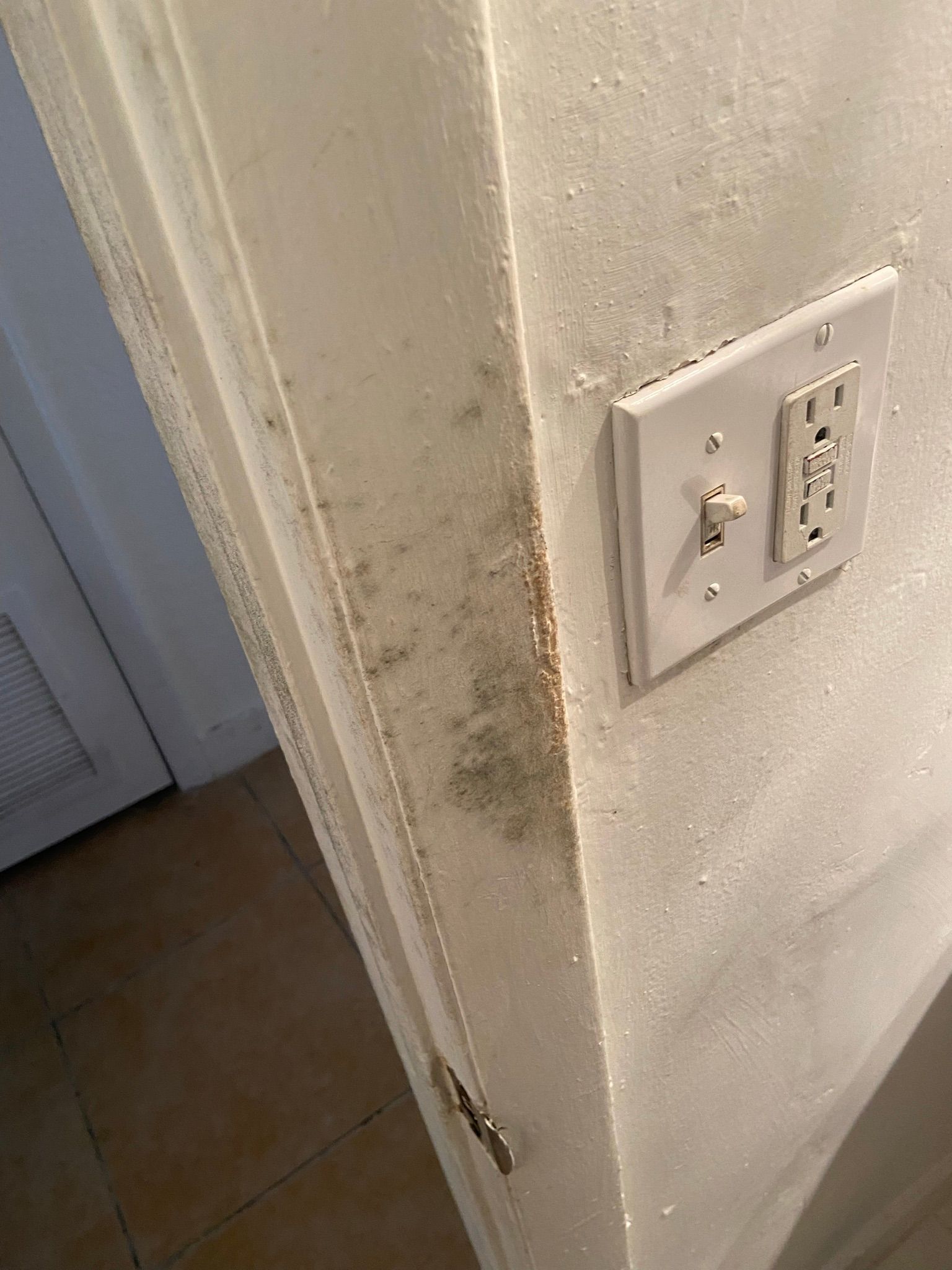
Moldy wall near a light switch and outlet in a room with a tiled floor.
December 26, 2025
Mold is an often-overlooked threat lurking in homes, offices, and commercial properties. While visible mold growth is a clear warning sign, many infestations begin silently, hidden within walls, ceilings, under flooring, or in ventilation systems.
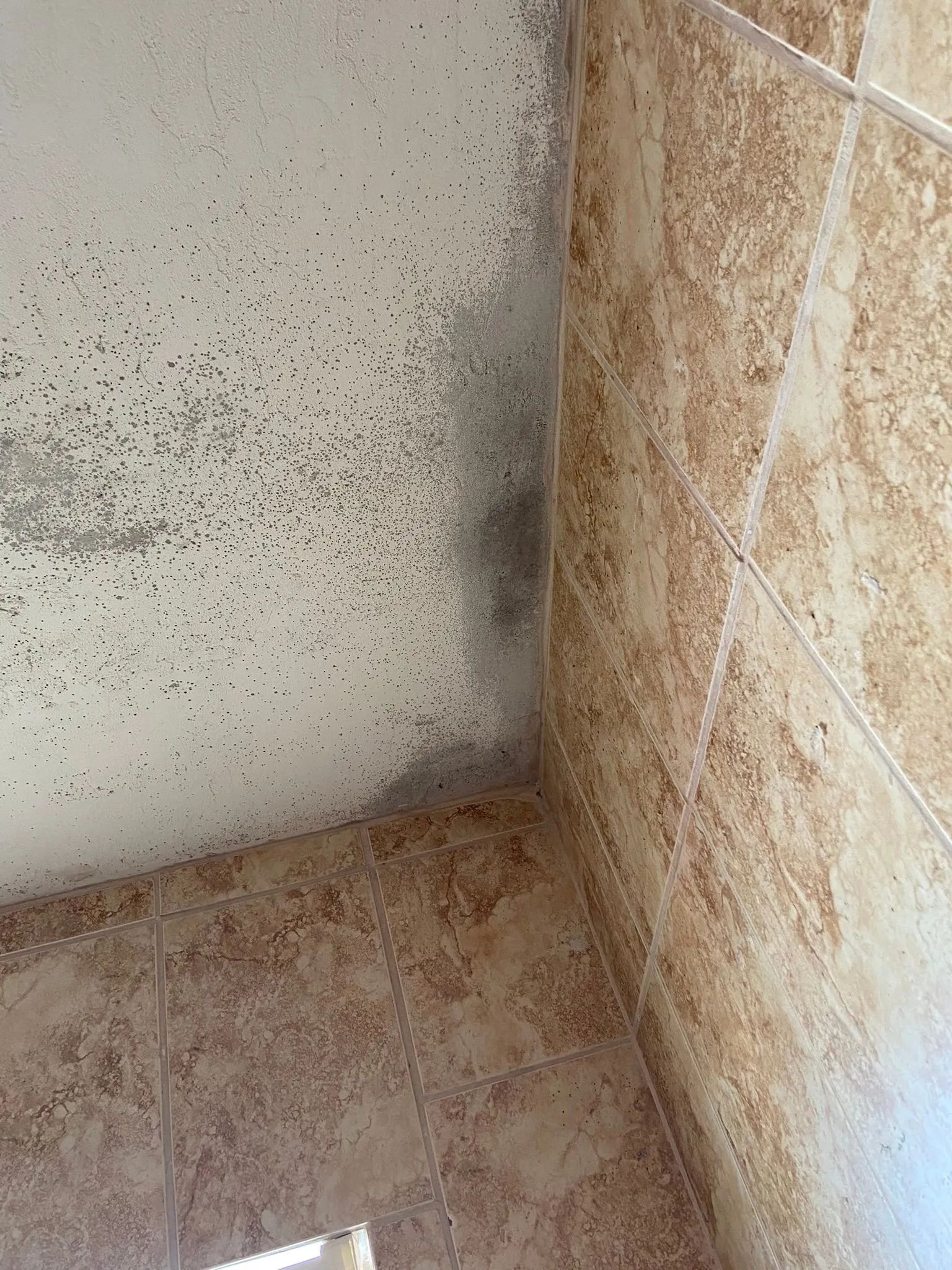
Mold growth on a bathroom ceiling, near tiled wall. The ceiling appears speckled with dark spots and larger patches of discoloration.
November 26, 2025
Mold is more than just an unsightly nuisance—it poses serious health risks and can damage your property over time. Even after professional removal, mold has a sneaky way of coming back if proper precautions aren’t taken.

Mold growth on ceiling and wall corner. White textured ceiling meets gray wall.
October 29, 2025
Mold might seem harmless at first glance—a small patch in a corner, a musty smell in the air—but its presence can have serious consequences for your health and property. Left unchecked, mold spreads rapidly, damaging building materials, compromising indoor air quality,
Moldy wall near a light switch and outlet in a room with a tiled floor.
December 26, 2025
Mold is an often-overlooked threat lurking in homes, offices, and commercial properties. While visible mold growth is a clear warning sign, many infestations begin silently, hidden within walls, ceilings, under flooring, or in ventilation systems.
Mold growth on a bathroom ceiling, near tiled wall. The ceiling appears speckled with dark spots and larger patches of discoloration.
November 26, 2025
Mold is more than just an unsightly nuisance—it poses serious health risks and can damage your property over time. Even after professional removal, mold has a sneaky way of coming back if proper precautions aren’t taken.
Mold growth on ceiling and wall corner. White textured ceiling meets gray wall.
October 29, 2025
Mold might seem harmless at first glance—a small patch in a corner, a musty smell in the air—but its presence can have serious consequences for your health and property. Left unchecked, mold spreads rapidly, damaging building materials, compromising indoor air quality,