How Advanced Mold Inspection Techniques Detect What You Can’t See

December 26, 2025

Mold is an often-overlooked threat lurking in homes, offices, and commercial properties. While visible mold growth is a clear warning sign, many infestations begin silently, hidden within walls, ceilings, under flooring, or in ventilation systems. Ignoring these invisible threats can lead to structural damage, reduced indoor air quality, and serious health problems, including respiratory issues, allergic reactions, and chronic fatigue. Detecting mold early is crucial, but traditional inspection methods often fail to uncover what lies beneath the surface. Homeowners and property managers frequently assume that the absence of visible signs equates to safety, which can be dangerously misleading. This is where advanced mold inspection techniques become indispensable, offering precise and comprehensive detection methods that go beyond what the naked eye can see, allowing for early intervention and minimizing costly repairs.

Modern mold inspection employs sophisticated technology and scientific methodologies to identify hidden infestations, determine the types of mold present, and assess the severity of contamination. From infrared cameras that reveal moisture intrusion to air sampling devices that capture microscopic spores, these advanced tools empower homeowners and professionals to take informed action before mold spreads. Additionally, many of these methods integrate digital reporting and mapping, enabling clear documentation of affected areas and providing guidance for effective remediation. Understanding how these techniques work, their benefits, and best practices is vital for anyone looking to maintain a safe, healthy environment. In this article, we will explore the most effective mold inspection methods, provide practical insights, explain why relying on expert inspections is essential for long-term protection, and highlight preventive measures that can safeguard properties from future infestations.

1. Understanding the Limitations of Traditional Inspections

  • Visual Inspections Only Go So Far

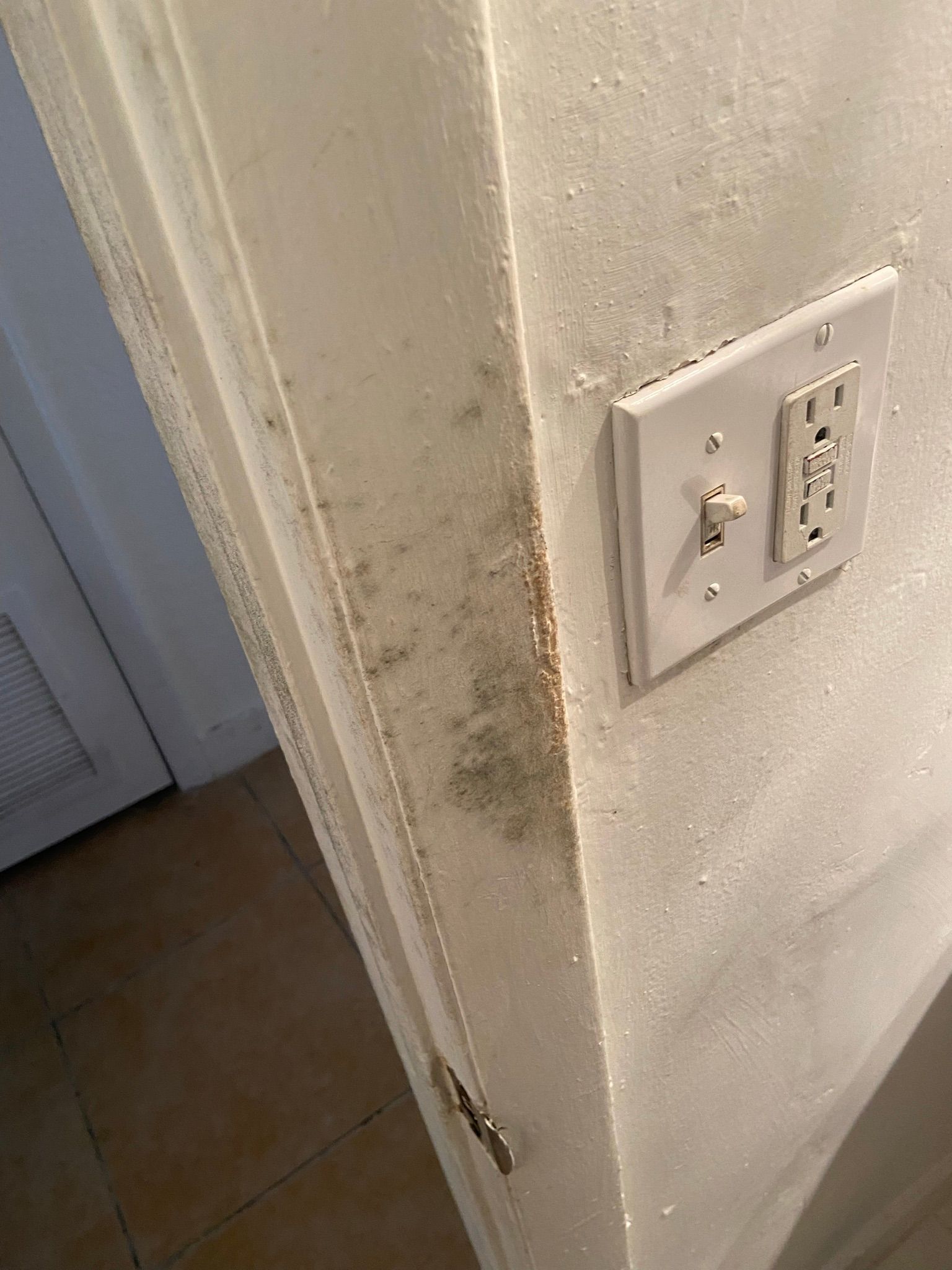
    Traditional mold inspections primarily rely on visual observation. Inspectors examine surfaces for visible signs of mold, such as discoloration, stains, or musty odors. While useful for detecting surface growth, these inspections often miss hidden mold in inaccessible areas like behind walls, under flooring, or within HVAC systems. Relying solely on visual cues may result in incomplete assessments and leave underlying problems untreated, allowing mold to continue growing unnoticed

  • Hidden Mold and Its Risks

    Hidden mold can develop from water leaks, condensation, or high humidity levels. For example, a slow leak behind a bathroom wall may create the perfect conditions for mold to grow undetected for months. Occupants may only notice symptoms like persistent allergies or respiratory irritation without realizing the root cause. Advanced inspection methods are essential in these scenarios, as they can detect mold that traditional methods cannot, providing a clearer picture of the overall contamination.

2. Advanced Moisture Detection Techniques

Infrared Thermal Imaging

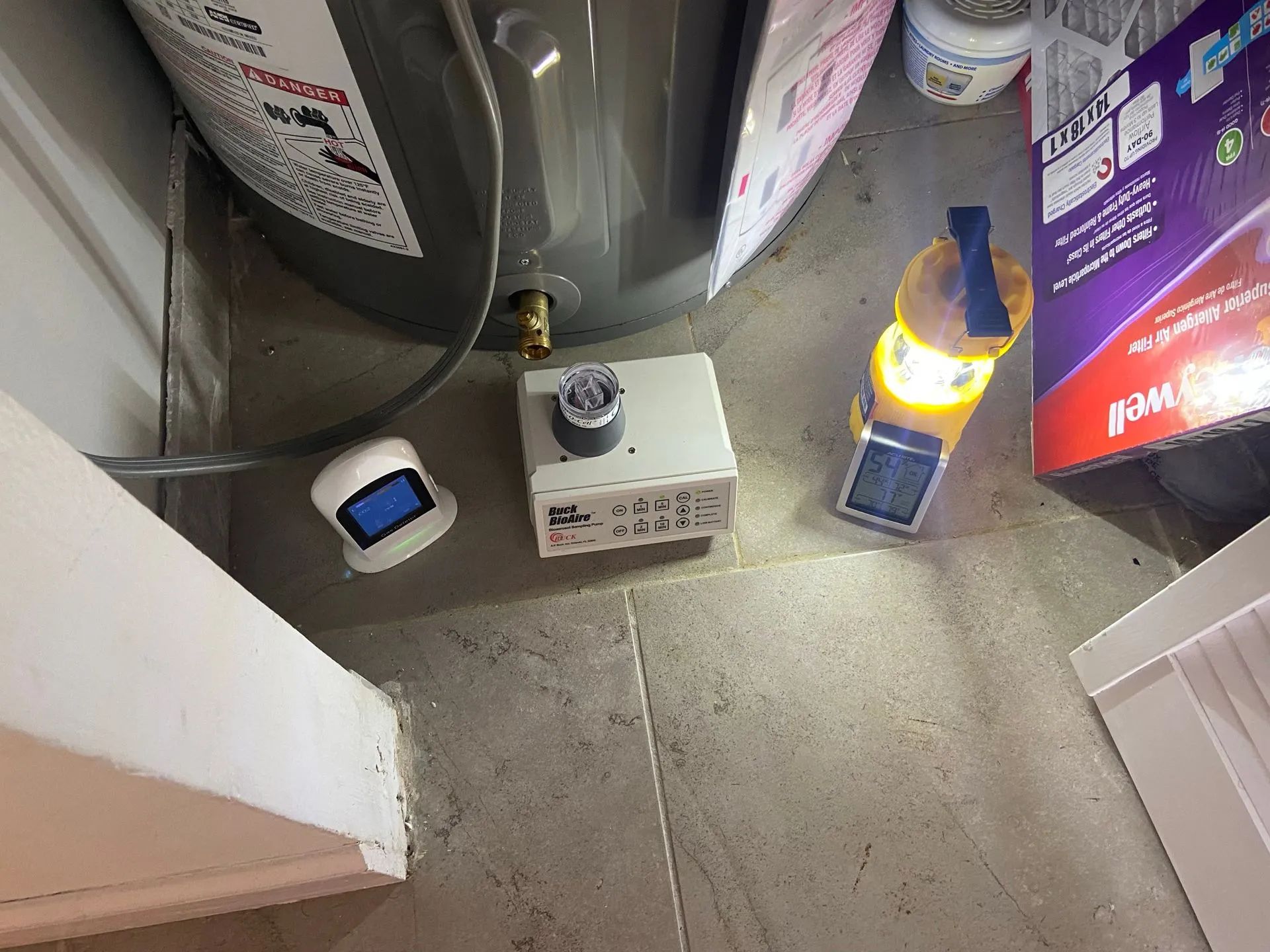
One of the most powerful tools in modern mold inspections is infrared thermal imaging. Thermal cameras detect variations in surface temperatures, revealing hidden moisture that can indicate mold growth. For example, a colder patch on a wall may suggest water intrusion behind the drywall, prompting further investigation. Infrared imaging is non-invasive, quick, and highly effective, enabling inspectors to identify problem areas without damaging structures.

Moisture Meters and Hygrometers

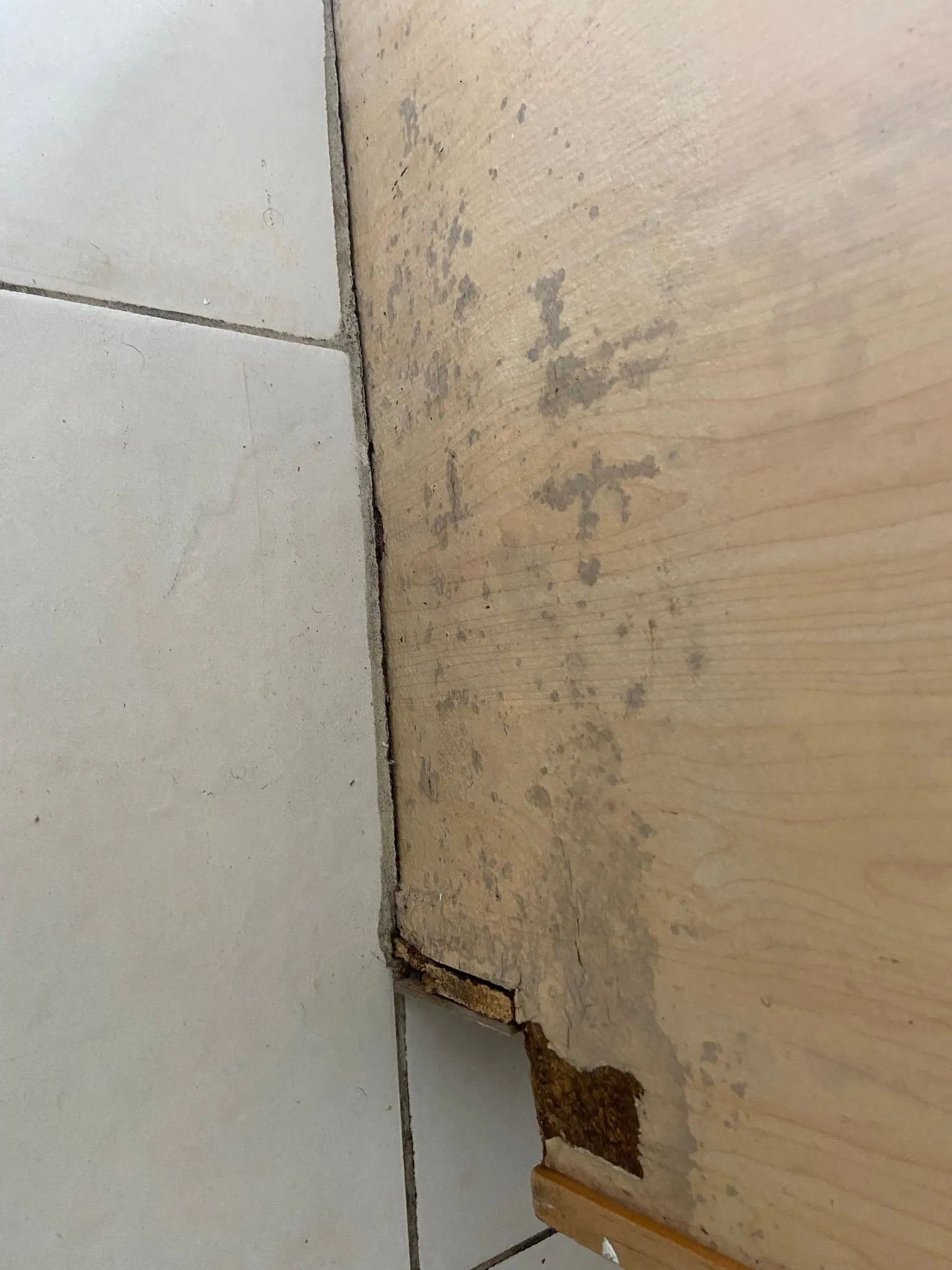
Moisture meters and hygrometers provide precise measurements of water content in building materials and indoor humidity levels. High readings can pinpoint areas at risk for mold growth, even if no visible signs exist. For instance, measuring elevated moisture in wooden flooring or drywall can help determine whether mold remediation is necessary. Regular monitoring with these devices allows property owners to take preventive measures before mold becomes established.

Case Example: Hidden Leak Detection

A commercial office reported a persistent musty odor with no visible mold. Infrared imaging revealed a moisture pocket behind an office partition caused by a leaking pipe. Using moisture meters, inspectors confirmed the extent of water intrusion, leading to targeted remediation that prevented further structural damage. This example illustrates how advanced detection tools uncover hidden risks before they escalate.

3. Air Sampling and Microbial Testing

Surface Sampling and Culture Analysis

In addition to air sampling, surface sampling allows inspectors to test materials directly for mold contamination. Swabs, tape lifts, or bulk samples are collected and cultured to identify specific mold species. Knowing the type of mold present is critical, as some species pose greater health risks than others. For example, Stachybotrys chartarum, commonly known as black mold, requires immediate remediation due to its potential toxicity.

Benefits of Laboratory Testing

Laboratory analysis ensures accurate identification and quantification of mold. Unlike field inspections that rely on visible signs and odor, microbial testing provides concrete data, helping professionals design effective remediation strategies. This method also documents the severity of contamination, which can be crucial for insurance claims or regulatory compliance.

4. Utilizing Environmental Monitoring Tools

  • Data Loggers for Continuous Assessment

    Environmental monitoring involves tracking indoor conditions over time to detect conditions conducive to mold growth. Data loggers can record temperature, humidity, and moisture levels continuously, highlighting patterns that may indicate hidden mold. For example, repeated spikes in humidity in a basement or crawl space can suggest ongoing water intrusion, prompting further inspection.

  • Building Envelope Assessments

    Advanced inspections often include building envelope assessments to detect structural vulnerabilities. Inspectors evaluate roofing, siding, windows, and foundations for gaps or leaks that may allow moisture penetration. Combining these assessments with environmental monitoring creates a comprehensive approach to preventing and detecting mold before it spreads.

  • Best Practices for Monitoring

    Consistent monitoring is critical, particularly in high-risk areas such as bathrooms, kitchens, basements, and attics. Implementing a routine schedule for checking moisture levels, ventilation, and temperature can prevent hidden infestations from developing into serious problems. Environmental monitoring also provides homeowners and businesses with actionable data to maintain long-term mold prevention.

5. The Role of Technology in Mold Detection

Digital Moisture Mapping

Digital moisture mapping involves creating a visual representation of moisture levels throughout a property using data collected from meters and sensors. This approach allows inspectors to pinpoint hotspots of concern, visualize the spread of moisture, and prioritize remediation efforts. It also provides clear documentation for clients, making the inspection results easy to understand.

Remote Sensing and Drones

In larger properties or industrial settings, remote sensing technology and drones can be used to access difficult-to-reach areas. Equipped with thermal cameras and moisture sensors, drones can scan rooftops, ceilings, and large HVAC systems without putting personnel at risk. This technology enhances safety while ensuring no area is overlooked during inspections.

Predictive Mold Modeling

Some advanced inspection firms utilize predictive modeling software that analyzes environmental data to forecast potential mold growth. By combining moisture measurements, temperature trends, and historical data, inspectors can anticipate future infestations and advise proactive measures. This predictive approach shifts the focus from reactive remediation to preventative maintenance.

6. Integrating Inspection Findings Into Effective Remediation

  • Creating a Targeted Remediation Plan

    Once advanced inspection techniques identify hidden mold, the next step is developing a remediation strategy tailored to the property’s needs. Targeted plans focus resources on affected areas, minimizing disruption while ensuring thorough cleanup. For instance, air sampling might reveal elevated spores in an attic, guiding inspectors to contain and remediate that specific space without unnecessarily disturbing other parts of the home.

  • Importance of Professional Expertise

    Interpreting inspection data requires expertise. Not all moisture or spores indicate active mold growth, and misdiagnosis can lead to unnecessary costs or incomplete remediation. Professional mold inspectors combine technical knowledge with hands-on experience to evaluate findings accurately, recommend effective treatment methods, and prevent recurrence.

  • Preventive Measures Post-Inspection

    Advanced inspections do more than detect mold; they inform preventive strategies. Recommendations often include repairing leaks, improving ventilation, controlling indoor humidity, and monitoring high-risk areas. Implementing these measures after remediation significantly reduces the likelihood of future infestations and protects the property’s value and occupant health.

Dependable Mold Inspection Backed By Proven Experience

Advanced mold inspection techniques are essential in detecting hidden threats that traditional visual methods often miss. From infrared thermal imaging and moisture meters to air sampling, microbial testing, and predictive modeling, modern technology empowers inspectors to uncover mold in its early stages, assess its severity, and guide targeted remediation. Integrating these methods with continuous monitoring and expert interpretation ensures a comprehensive approach that not only resolves current issues but also prevents future infestations.

At United Mold Services, based in Lehigh Acres, Florida, we bring over 8 years of experience in delivering thorough, professional mold inspection and remediation services. Our team combines cutting-edge detection technology with industry expertise to safeguard your property and health. We specialize in identifying hidden mold, analyzing environmental conditions, and designing effective remediation strategies. Trusted by homeowners and businesses alike, United Mold Services is committed to providing reliable, precise, and proactive solutions that ensure lasting results and peace of mind.

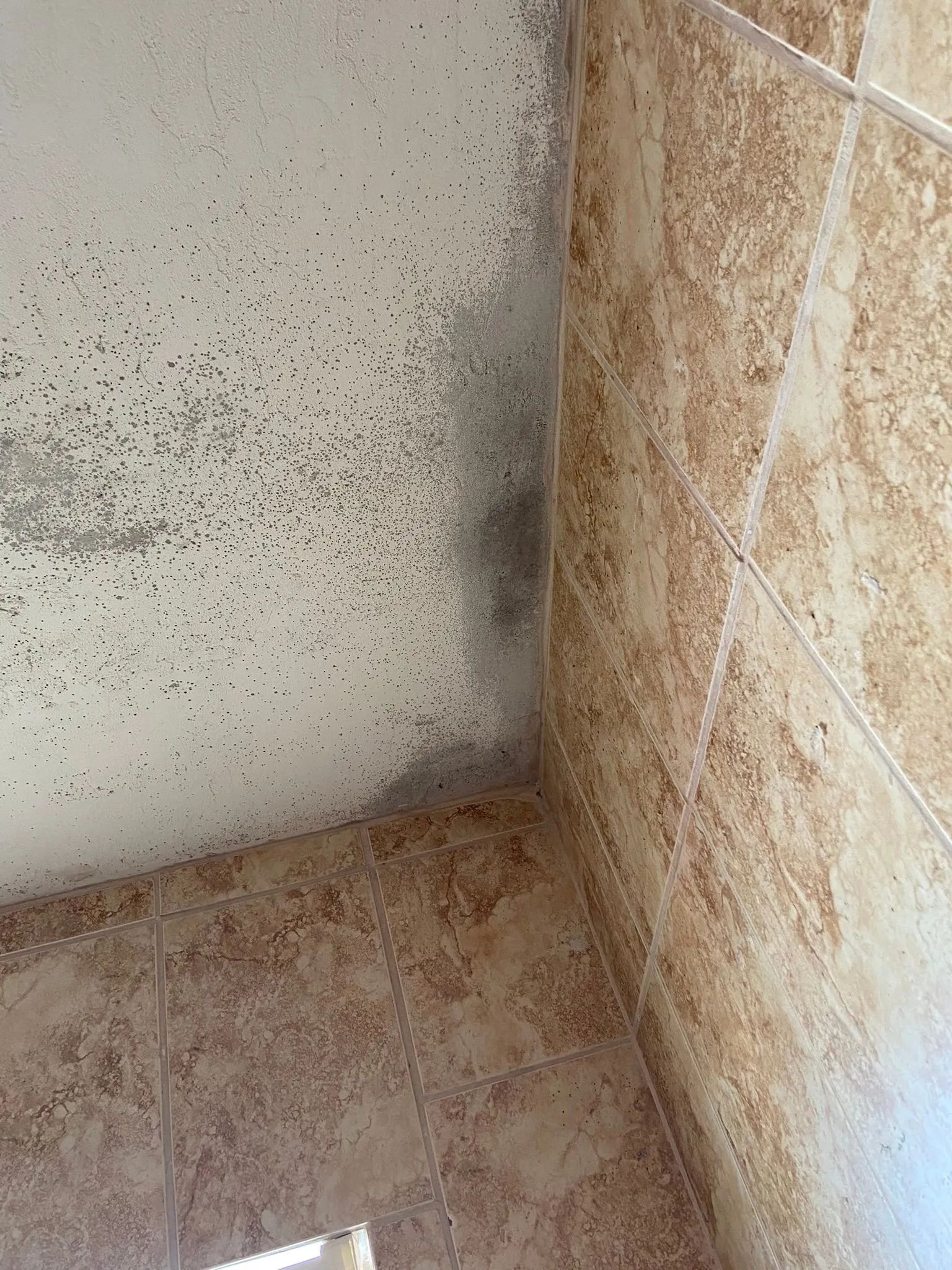
Mold growth on a bathroom ceiling, near tiled wall. The ceiling appears speckled with dark spots and larger patches of discoloration.
November 26, 2025
Mold is more than just an unsightly nuisance—it poses serious health risks and can damage your property over time. Even after professional removal, mold has a sneaky way of coming back if proper precautions aren’t taken.

Mold growth on ceiling and wall corner. White textured ceiling meets gray wall.
October 29, 2025
Mold might seem harmless at first glance—a small patch in a corner, a musty smell in the air—but its presence can have serious consequences for your health and property. Left unchecked, mold spreads rapidly, damaging building materials, compromising indoor air quality,
Mold growth on a bathroom ceiling, near tiled wall. The ceiling appears speckled with dark spots and larger patches of discoloration.
November 26, 2025
Mold is more than just an unsightly nuisance—it poses serious health risks and can damage your property over time. Even after professional removal, mold has a sneaky way of coming back if proper precautions aren’t taken.
Mold growth on ceiling and wall corner. White textured ceiling meets gray wall.
October 29, 2025
Mold might seem harmless at first glance—a small patch in a corner, a musty smell in the air—but its presence can have serious consequences for your health and property. Left unchecked, mold spreads rapidly, damaging building materials, compromising indoor air quality,